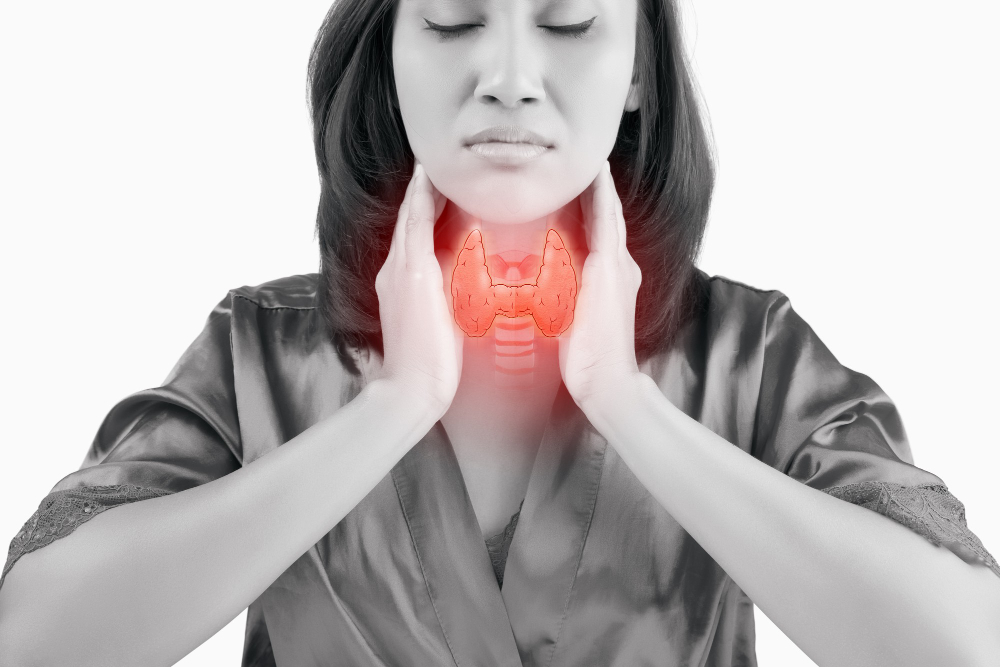
Thyroid disorders and prevention are important topics for everyone. The thyroid is a small gland in your neck. It controls many body functions. When the thyroid does not work well, it can cause health problems. Because thyroid disorders are common, knowing how to prevent them is helpful. In this blog, you will learn about thyroid disorders, their symptoms, causes, diagnosis, treatment, and prevention tips. You will also find out when to see a doctor for thyroid health concerns.
What Are Thyroid Disorders?
The thyroid gland is shaped like a butterfly and sits at the front of your neck. It makes hormones that help control your body’s energy and metabolism. Sometimes, the thyroid does not work as it should. This can lead to thyroid disorders. The most common thyroid disorders include:
Each disorder affects your body in different ways. However, all can impact your health if not treated.
Symptoms of Thyroid Disorders
Thyroid problems can cause many symptoms. Some signs are easy to miss. But knowing the early signs of thyroid disorder can help you get care sooner. Common symptoms include:
If you notice these symptoms, it is wise to talk to your doctor.
Causes and Risk Factors
Many things can cause thyroid disorders. Sometimes, the immune system attacks the thyroid. This is called an autoimmune disease. Other times, a lack of iodine in the diet can cause problems. In some cases, thyroid disorders run in families. The main causes and risk factors include:
Because some risk factors cannot be changed, it is important to focus on what you can control.
Diagnosis
Doctors use several tests to find thyroid disorders. First, they will ask about your symptoms and health history. Next, they may check your neck for swelling or lumps. Common tests include:
Early diagnosis helps you get the right treatment. Therefore, regular check-ups are important, especially if you have risk factors.
Treatment Options
Treatment depends on the type of thyroid disorder. For hypothyroidism, doctors often prescribe hormone pills. For hyperthyroidism, medicines can slow down the thyroid. Sometimes, surgery or radioactive iodine is needed. Treatment options include:
With the right care, most people can manage thyroid disorders well. Always follow your doctor’s advice for the best results.
Prevention Tips
While not all thyroid problems can be prevented, you can lower your risk. Here are some thyroid health tips and ways to prevent thyroid problems:
By following these steps, you can help maintain thyroid health and lower your risk.
When to See a Doctor
It is important to know when to seek medical help. You should see a doctor if you notice:
Early treatment can prevent problems. Therefore, do not wait if you have concerns about your thyroid health.
Conclusion
Thyroid disorders can affect anyone, but early action makes a big difference. Because prevention is possible, follow healthy habits and watch for symptoms. If you have concerns or notice changes, consult your doctor for personalized advice. Your thyroid health matters, so take steps today to protect it.