
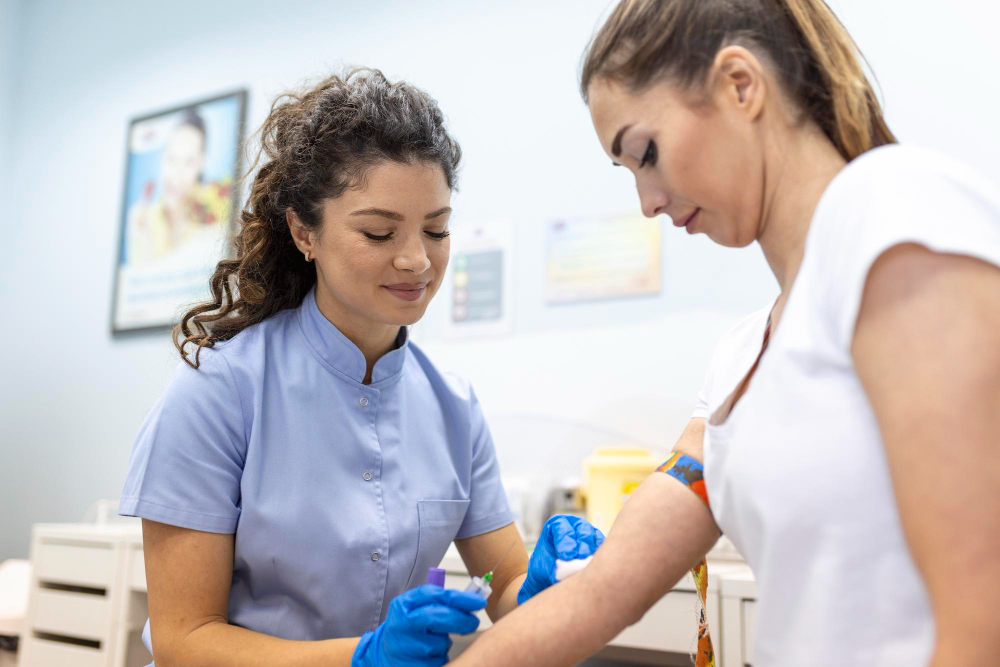
What is a PCOD Profile?
Many women hear about the PCOD profile when visiting their doctor. PCOD stands for Polycystic Ovary Disease. The PCOD profile is a group of blood tests. These tests help doctors check for hormone changes and other signs linked to PCOD. Usually, these tests look at how your body is working. They also help find out if you have PCOD or not.
Why is the PCOD Profile Important?
Understanding your PCOD profile is very important. First, it helps doctors find out if you have PCOD. Second, it shows how PCOD affects your body. For example, these tests can spot hormone problems early. Early detection means you can start treatment sooner. Also, knowing your PCOD profile helps you manage your health better. In many cases, it can even prevent future problems.
Common Tests Included in a PCOD Profile
The PCOD profile test includes several blood tests. Each test checks a different part of your health. Here are some common tests:
Doctors may add other tests based on your symptoms. Because every woman is different, your doctor will choose the right tests for you.
How is the PCOD Profile Used in Diagnosis?
Doctors use the PCOD profile to help diagnose PCOD. First, they look at your symptoms, such as irregular periods or acne. Next, they review your PCOD blood tests. If your hormone levels are not normal, it may point to PCOD. Sometimes, doctors use an ultrasound along with the PCOD profile test. Together, these steps help confirm the diagnosis. This way, you get the right treatment plan.
What Do PCOD Profile Results Mean?
After your PCOD profile test, you will get results for each blood test. Here is what some results may mean:
However, only a doctor can explain your results fully. Sometimes, results may be normal, but you still have symptoms. In that case, your doctor will look at the whole picture. Understanding PCOD results is easier with expert help.
Next Steps After Receiving Your PCOD Profile Results
Once you have your PCOD profile results, talk to your doctor. They will explain what each test means. If you have PCOD, your doctor will suggest a treatment plan. This may include medicine, lifestyle changes, or both. Sometimes, more tests are needed. Do not worry if you need extra checks. Early action can help you feel better sooner.
Lifestyle Guidance and Prevention Tips for PCOD
Even after diagnosis, you can take steps to manage PCOD. Here are some helpful tips:
With these steps, you can improve your health and lower your risk of future problems. Remember, small changes can make a big difference over time.
Conclusion
To sum up, the PCOD profile is a key tool for understanding and managing PCOD. It helps doctors find the right diagnosis and treatment for you. If you have questions about your PCOD profile results, consult a healthcare specialist for personalized advice.