
What is OGTT?
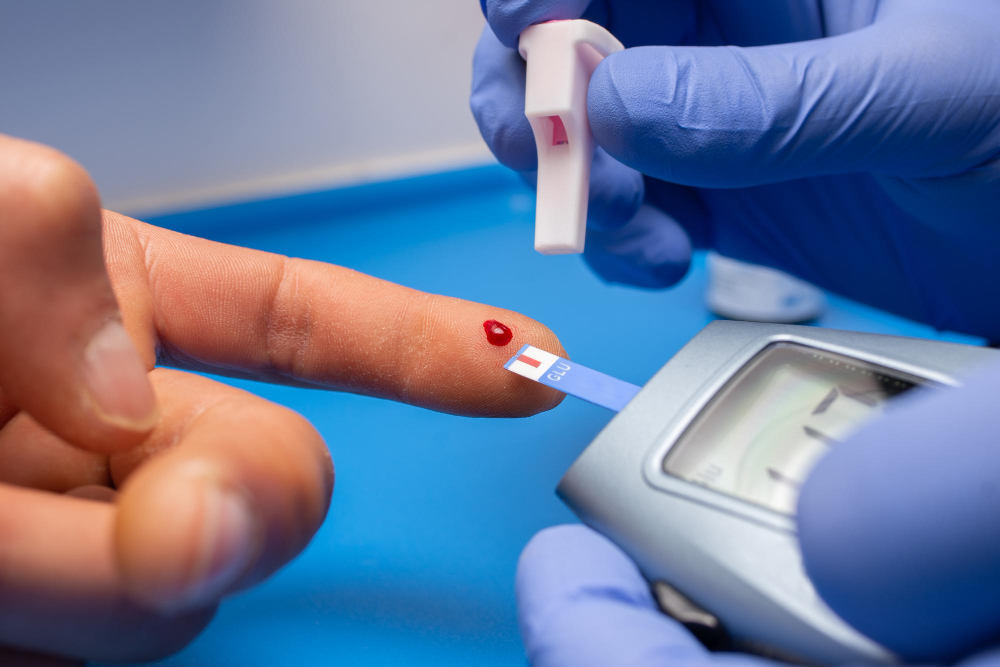
The OGTT, or oral glucose tolerance test, checks how your body handles sugar. Doctors use this test to see if you have diabetes or problems with blood sugar. During the OGTT, you drink a sweet liquid, and your blood sugar is tested over time. This helps your doctor understand how well your body manages sugar.
Why is OGTT Performed?
Doctors order the OGTT for several reasons. For example, it helps diagnose diabetes, prediabetes, or gestational diabetes in pregnant women. Sometimes, people have symptoms like:
If you have these symptoms, your doctor may suggest an OGTT. In addition, the test helps check blood sugar problems that other tests might miss.
How is OGTT Done? (Procedure)
The OGTT procedure is simple and safe. Here is what usually happens:
The whole test usually takes about two to three hours. During this time, you may need to stay at the clinic.
Who Should Get an OGTT?
Not everyone needs an OGTT. However, your doctor may recommend it if you:
Sometimes, your doctor may suggest the OGTT if other blood sugar tests are unclear.
How to Prepare for OGTT
Proper preparation helps get accurate OGTT results. Here are some tips:
Because the test takes a few hours, you may want to bring a book or something to do while you wait.
Understanding OGTT Results
After the OGTT, your doctor will explain your results. Here is what the numbers usually mean:
For pregnant women, different numbers may apply. Always ask your doctor to explain your OGTT results clearly. If you have questions, do not hesitate to ask.
Risks and Safety of OGTT
The OGTT is safe for most people. However, some may feel:
Serious problems are rare. If you feel very unwell during the test, tell the staff right away. According to the CDC, the OGTT is a standard and safe test for checking blood sugar.
Frequently Asked Questions about OGTT
Conclusion and Next Steps
In summary, the OGTT is a helpful test for checking how your body handles sugar. It is safe, simple, and gives important information about your health. If you have symptoms or risk factors, talk to your doctor about whether you need an OGTT. For personalized advice, always consult a healthcare provider.