
What is CBC?
A CBC, or Complete Blood Count, is a common blood test. It measures different parts of your blood. Because it gives a quick look at your overall health, doctors often use it during checkups. The CBC test checks red blood cells, white blood cells, platelets, hemoglobin, and hematocrit. Each part tells something important about your body. For example, it can show if you have an infection or anemia. According to the CDC, the CBC is one of the most used blood tests worldwide.
Why is a CBC Test Done?
Doctors order a CBC test for many reasons. First, it helps find out if you have certain health problems. For example, it can show signs of infection, inflammation, or bleeding. Sometimes, it helps check for diseases like anemia or leukemia. In addition, a CBC test can track your health if you have a long-term illness. It is also used before surgery or as part of a routine health check. Because it is quick and gives lots of information, the CBC test is very helpful.
How is a CBC Test Performed?
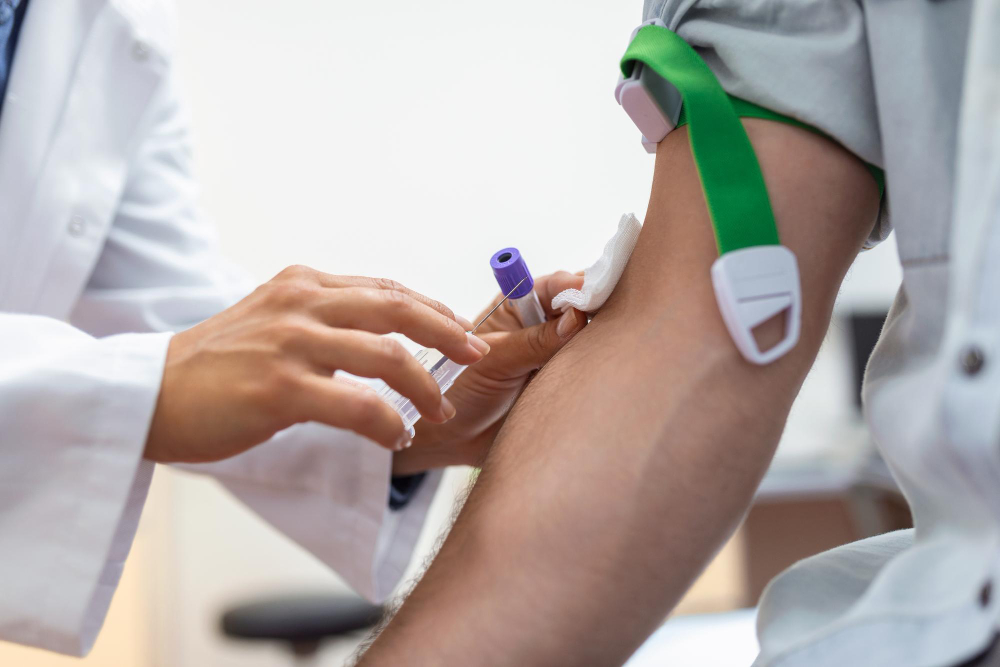
Getting a CBC test is simple. Usually, a nurse or lab worker takes a small blood sample from your arm. First, they clean the skin. Next, they use a thin needle to draw blood into a tube. The process takes only a few minutes. Afterward, you may feel a small pinch or bruise, but this goes away quickly. The blood sample is then sent to a lab for testing. Most people can return to normal activities right after the test.
Understanding CBC Results
When you get your CBC results, you will see several numbers. Each number shows a different part of your blood. Here are the main parts explained:
Normal ranges can vary by age, sex, and lab. Always ask your doctor to explain your CBC results meaning. For example, a “CBC normal range” for adults may differ from that for children.
Common Reasons for Abnormal CBC Results
Sometimes, your CBC test results may be outside the normal range. This does not always mean something serious. However, it can point to certain health issues. Common reasons include:
Because many things can affect your CBC, your doctor will look at your health history and symptoms. Sometimes, more tests are needed to find the cause.
How to Prepare for a CBC Test
Most people do not need special steps before a CBC test. Still, here are some tips to help you prepare:
In rare cases, your doctor may ask you to fast before the test. Always follow their instructions.
Frequently Asked Questions about CBC
Conclusion
In summary, a CBC test is a simple way to check your health. It gives important information about your blood and can help find many health problems early. If you have questions about your CBC results, consult a healthcare provider for personalized advice.