Ketones serum is a term used to describe the amount of ketones found in your blood. These chemicals are important because they can show how your body is using energy. Sometimes, high or low ketones serum levels can signal health problems. For this reason, doctors often check ketones serum to help diagnose or manage certain conditions. In this blog, you will learn what ketones serum means, why it matters, and how to keep it in a healthy range.
What Are Ketones Serum?
First, let’s understand what ketones are. Ketones are chemicals your liver makes when it breaks down fat for energy. Usually, your body uses sugar from food for energy. However, when there is not enough sugar, your body starts to use fat instead. As a result, ketones are made and released into your blood. Measuring ketones in serum, or blood, helps doctors see if your body is using fat for energy. This test is called a serum ketone test or ketones blood test.
Causes of Elevated Ketones Serum
There are several reasons why ketones serum levels can rise. Some common causes include:
Symptoms and Signs
High or abnormal ketones serum levels can cause several symptoms. Watch for these signs:
How Is Ketones Serum Tested?
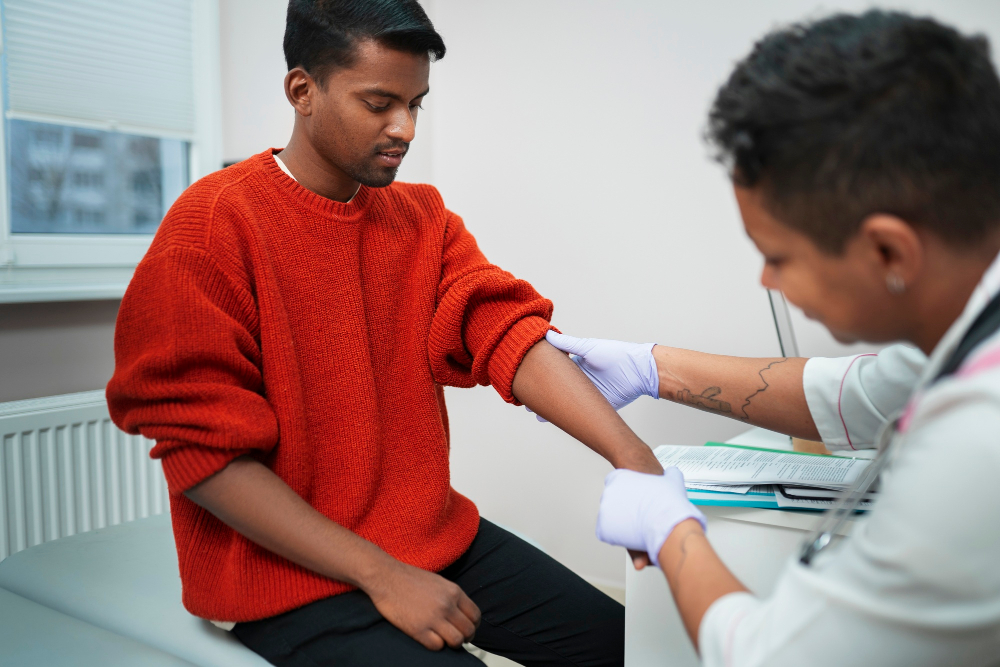
Doctors use a simple blood test to check ketones serum. Usually, a small blood sample is taken from your arm. The test measures the amount of ketones in your blood. Sometimes, doctors may also use a urine test, but blood tests are more accurate. After the test, your doctor will explain what the results mean. High ketones in blood can be a sign of a problem, especially if you have diabetes. On the other hand, low or normal levels are usually not a concern.
Treatment and Management
If your ketones serum levels are high, treatment depends on the cause. Here are some general steps:
Always follow your doctor’s advice for managing high ketones in blood.
Prevention and Lifestyle Tips
There are ways to help keep your ketones serum levels healthy. For example:
By following these tips, you can help prevent problems with ketones serum.
When to See a Doctor
It is important to know when to seek medical help. See a doctor if you:
Early treatment can prevent serious problems. Therefore, do not wait if you feel unwell.