
Introduction
The Rheumatoid Factor Test is a simple blood test. It checks for rheumatoid factor (RF) in your blood. Doctors often use this test to help diagnose rheumatoid arthritis and other autoimmune diseases. Early testing can help you get the right treatment. Because of this, understanding the Rheumatoid Factor Test is important for your health.
What is the Rheumatoid Factor Test?
The Rheumatoid Factor Test, also called the RF test, measures the amount of rheumatoid factor in your blood. Rheumatoid factor is a protein made by your immune system. Sometimes, your body makes too much of this protein. This can be a sign of certain diseases, especially rheumatoid arthritis. However, not everyone with a high RF has a disease. The test is just one tool doctors use to help find out what is wrong.
Why is the Rheumatoid Factor Test Done?
Doctors order the rheumatoid factor blood test for several reasons. Most often, it helps diagnose rheumatoid arthritis. But it can also help find other autoimmune diseases. For example, it may be used if you have joint pain, swelling, or stiffness. Sometimes, the test is done to check for conditions like lupus or Sjögren’s syndrome. In addition, it can help rule out other causes of your symptoms. The RF test meaning depends on your health and symptoms.
How to Prepare for the Test
Usually, you do not need special preparation for the RF test. You can eat and drink as normal. However, always follow your doctor’s instructions. If you take certain medicines, your doctor may ask you to stop them before the test. For example, some drugs can affect your results. If you are unsure, ask your healthcare provider for clear directions.
The Procedure: What to Expect
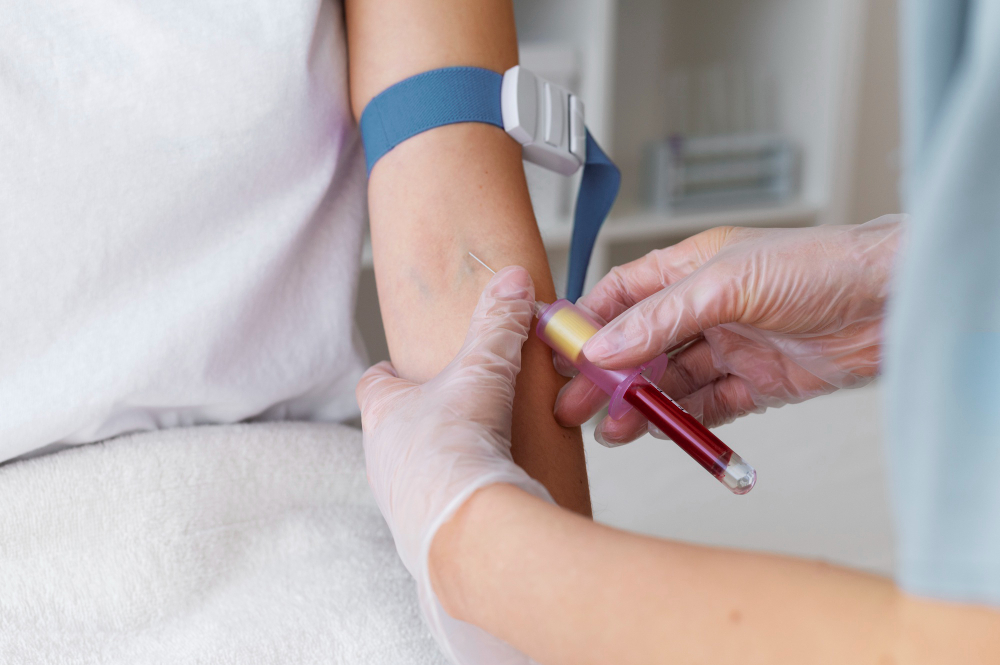
The rheumatoid factor blood test is quick and simple. Here is what usually happens:
The whole process takes only a few minutes. Most people feel only a small pinch. After the test, you can return to your normal activities.
Understanding Your Results
After the test, your doctor will review your results. A normal RF level is usually less than 14 IU/mL (international units per milliliter). However, this range can vary by lab. If your RF level is higher than normal, it may suggest rheumatoid arthritis or another autoimmune disease. But, some healthy people can have a high RF. Also, some people with rheumatoid arthritis have a normal RF. Because of this, doctors use other tests and your symptoms to make a diagnosis. If you want to know how to interpret rheumatoid factor results, always talk to your doctor. They can explain what your results mean for you.
Risks and Limitations
The RF test is safe. Risks are very low. You may have slight pain, bruising, or bleeding where the needle went in. Rarely, infection can occur. However, these problems are uncommon. The rheumatoid factor test accuracy is good, but it is not perfect. Sometimes, results can be false positive or false negative. This means the test may show a problem when there is none, or miss a problem that is there. Because of these limits, doctors use the RF test with other tests and your symptoms.
Frequently Asked Questions
Tips for Follow-Up and Next Steps
After you get your results, talk to your doctor. They will explain what your results mean. If your RF is high, your doctor may order more tests. Sometimes, they may refer you to a specialist, like a rheumatologist. Always keep track of your symptoms and share them with your doctor. If you have questions, write them down before your visit. This helps you remember to ask everything you need to know.
In summary, the Rheumatoid Factor Test is a helpful tool. But, it is only one part of your health picture. Consult a healthcare professional for personalized advice about your Rheumatoid Factor Test results.