What is a Preventive Health Check Up?
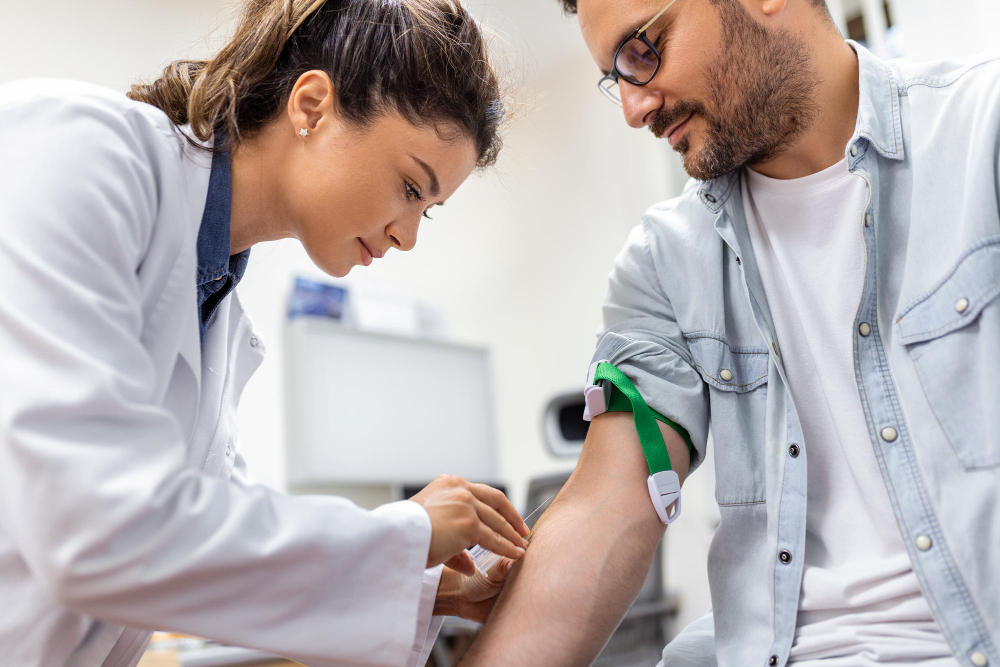
A preventive health check up is a set of medical tests done before you feel sick. These tests help find health problems early. For example, doctors use routine health screening to check your blood, urine, and other body parts. Pathology tests for prevention can spot diseases before symptoms appear. Because of this, you can start treatment sooner and stay healthier.
Why Are Preventive Health Check Ups Important?
Many diseases do not show signs at first. However, early disease detection can save lives. When you catch problems early, treatment is often easier and more effective. In addition, regular check ups help you understand your health better. This means you can make smart choices about your lifestyle. According to the World Health Organization (WHO), early screening reduces the risk of serious illness.
Common Tests Included
Preventive health check ups include several simple tests. These tests check your body for common health issues. Some of the most common tests are:
Sometimes, doctors may suggest more tests based on your age or family history. For example, cancer screening or heart tests may be added if needed.
How to Prepare for a Preventive Health Check Up
Preparing for your check up is easy. Still, you should follow some simple steps:
Because each test is different, your doctor may give you special instructions. Always follow these for the best results.
Benefits of Regular Screening
Regular preventive health check ups offer many benefits. First, they help with early disease detection. This means you can treat problems before they get worse. Also, routine health screening helps you track your health over time. As a result, you can make changes to your diet or exercise if needed. Moreover, these check ups give you peace of mind. You know you are taking steps to stay healthy.
Who Should Get Preventive Health Check Ups?
Everyone can benefit from preventive health check ups. However, some people need them more often. For example:
Even if you feel healthy, regular check ups are important. Your doctor can help you decide how often you need them.
Frequently Asked Questions
In summary, preventive health check ups are a smart way to protect your health. They help with early disease detection and guide you to better choices. For the best advice, consult your healthcare specialist about the right preventive health check up for you.