
What Is Cardiac Profile Testing?
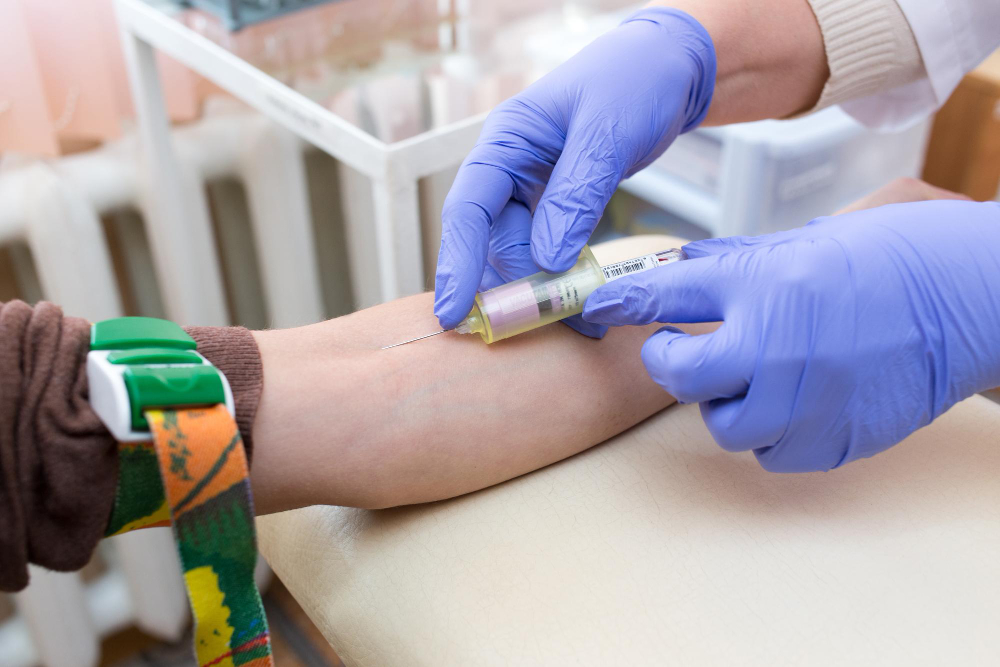
Cardiac profile testing is a group of blood and heart tests that check your heart health. Doctors use this screening to find risks for heart disease early. Because heart problems can develop quietly, these tests help spot issues before symptoms appear. Cardiac profile testing often includes checks for cholesterol, blood sugar, and other markers. This way, you and your doctor can take steps to protect your heart.
Why Is Cardiac Profile Testing Important?
Many heart diseases do not show signs until they become serious. However, early testing can catch problems sooner. As a result, you can make changes to lower your risk. Cardiac profile testing helps you:
According to the World Health Organization (WHO), heart disease is a leading cause of death worldwide. Therefore, regular heart health screening is vital for everyone, especially those with risk factors.
Who Should Consider Cardiac Profile Testing?
Not everyone needs a cardiac profile test right away. Still, some people have higher risks. You should consider cardiac profile testing if you:
Even if you feel healthy, regular screening can help you stay on track. For those with symptoms like chest pain, shortness of breath, or tiredness, testing is even more important.
What Tests Are Included in a Cardiac Profile?
Cardiac profile testing is not just one test. Instead, it is a set of checks that give a full picture of your heart health. Common tests include:
Your doctor may add or remove tests based on your health and risk factors. Each test helps build a clearer picture of your heart’s condition.
How to Prepare for Cardiac Profile Testing
Proper preparation helps ensure accurate results. Before your cardiac profile test, you may need to:
Always follow your healthcare provider’s instructions. If you have questions, ask before the test day. This way, you can avoid delays or repeat visits.
Understanding Your Results
After your cardiac profile testing, your doctor will explain the results. Each test has a normal range. If your numbers are outside these ranges, it may mean higher risk for heart disease. For example, high cholesterol or blood sugar can signal trouble. However, one abnormal result does not always mean you have heart disease. Your doctor will look at all results together and may suggest more tests or lifestyle changes.
Prevention and Lifestyle Guidance
Even if your cardiac profile test is normal, you can take steps to keep your heart healthy. For better heart health, try these tips:
Small changes can make a big difference over time. Because heart disease can be silent, prevention is always better than cure.
Frequently Asked Questions
In summary, cardiac profile testing is a key tool for heart health screening and cardiac risk assessment. Early testing helps you and your doctor make smart choices for a healthy future. Consult a healthcare specialist for personalized advice on cardiac profile testing.